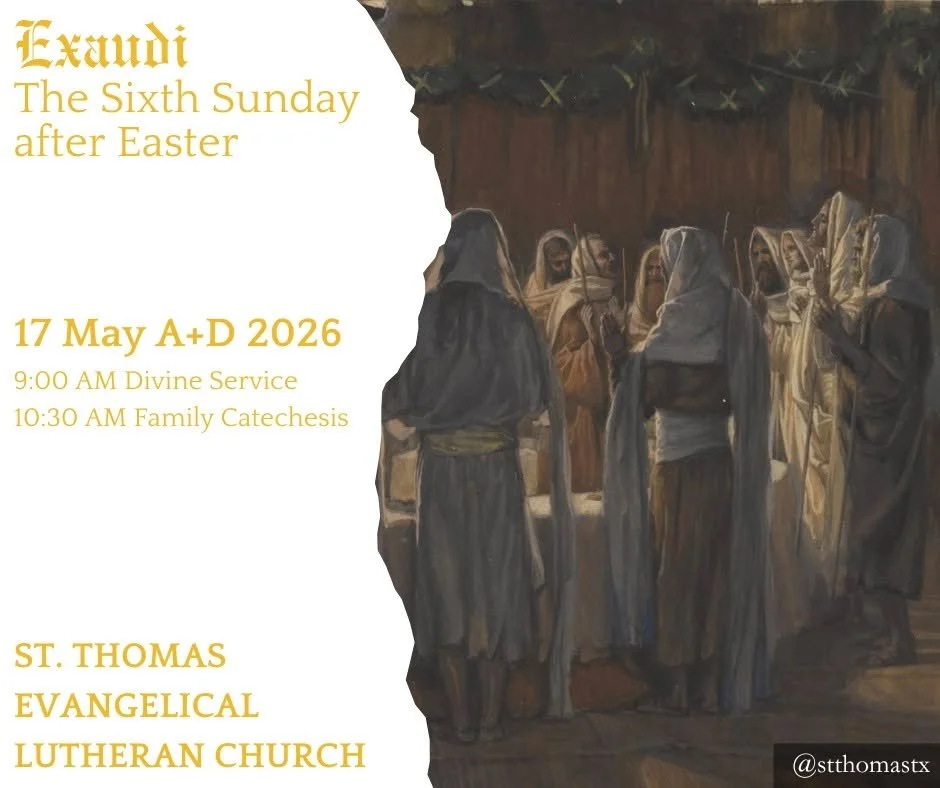
Exaudi—Family, Failure, and Forgiveness
Lord Jesus Christ, You promise all Christendom Your Holy Spirit, calling Him the true and only Comforter. Therefore, we ask that, because Your congregation is now enmeshed in the deepest sorrow and tribulation, You would govern, strengthen, and quicken her by Your Holy Spirit's comfort and protect her from eternal sorrow and misery. But especially we ask for every individual, contrite, and troubled heart, who heartily bears a longing for such consolation and quickening in cross, distress, misery, and in death's final throes. Let such a heart be preserved by the power of Your Spirit unto Your honor; For You live and reign with the Father and the Holy Spirit, one true God, now and forever. Amen.
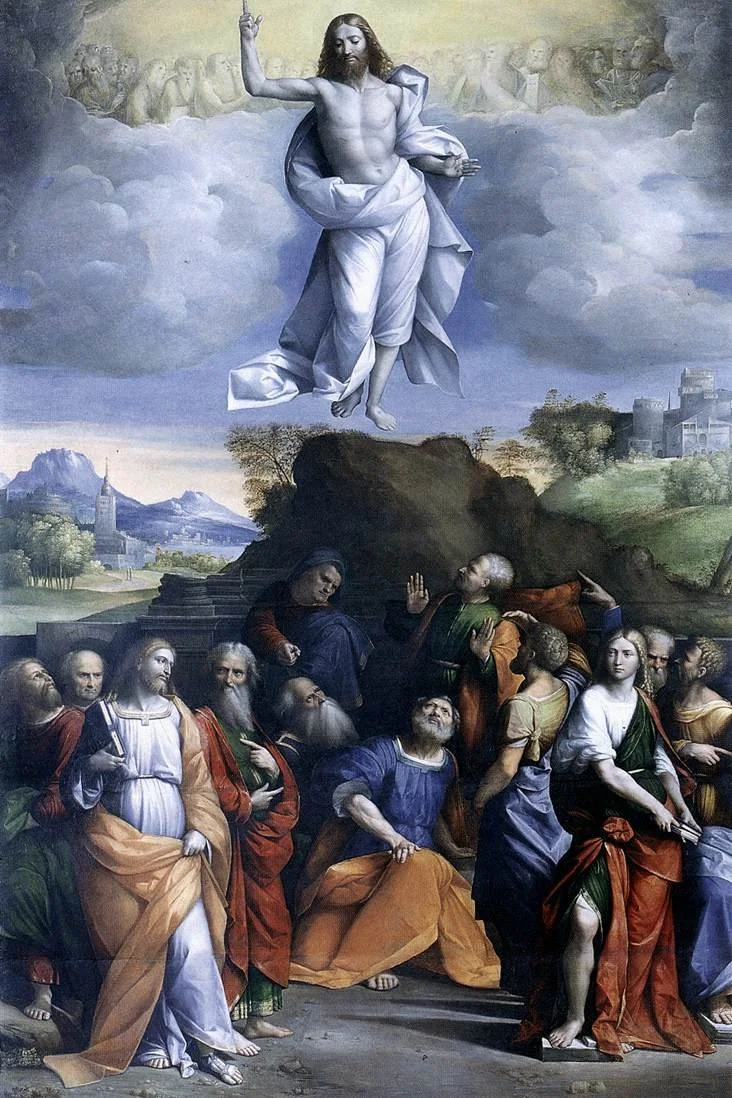
Ascension—Raised with Christ: Seeking the Things Above
O my Lord Jesus, Your apostles pray to You at the place of Your glorious ascension, returned to Jerusalem with great joy, and were continually in the temple praising and blessing God. So grant by the power of Your holy ascension, that we poor sinners may also spend our lives here in true faith and diligent prayer, that we may long with joy for Your kingdom and the true fatherland. During our time of waiting for Your return, before our last little hour, grant that we may diligently learn Your word among Christian congregations, partake of Your body and blood in the supper, and at the end, in this Your service, be found blessed in temporal death, and at last enter through Your ascension into the heavenly company, abode, and joy. For You live and reign with the Father and the Holy Spirit, one true God, now and forever. Amen.

Rogate—Persistent Prayer and the Father's Love: Praying in Jesus' Name
Lord, heavenly Father, eternal God, Your earnest command and will urge and drive us to diligent prayer and invocation of Your most holy name. Moreover, Your fatherly and gracious promises stir us thereto, with which You assure and promise to hear us. We also have the examples of all the dear saints who have ever called upon You and were heard by You. We recognize that, because we are created by You, endowed with body, soul, reason, ears, eyes, and all human members, we should laud, honor, and praise You with the same. Beyond this, the devil's rage is so great and mighty that we must constantly cry out and lament over it in this vale of misery, and we can drive this evildoer away from us with nothing but our sighing to You in the name of Jesus Christ. Our misery, distress, neediness, sin, illnesses, along with every other manner of affliction which we presently feel, are increasing so greatly that we rightly pray and sigh that we do not remain caught in these trials. Therefore, grant, O heavenly Father, that in all our hardships we may call upon You from our hearts, come to You alone for refuge, and obtain fatherly grace from You, through Jesus Christ our Lord. Amen.
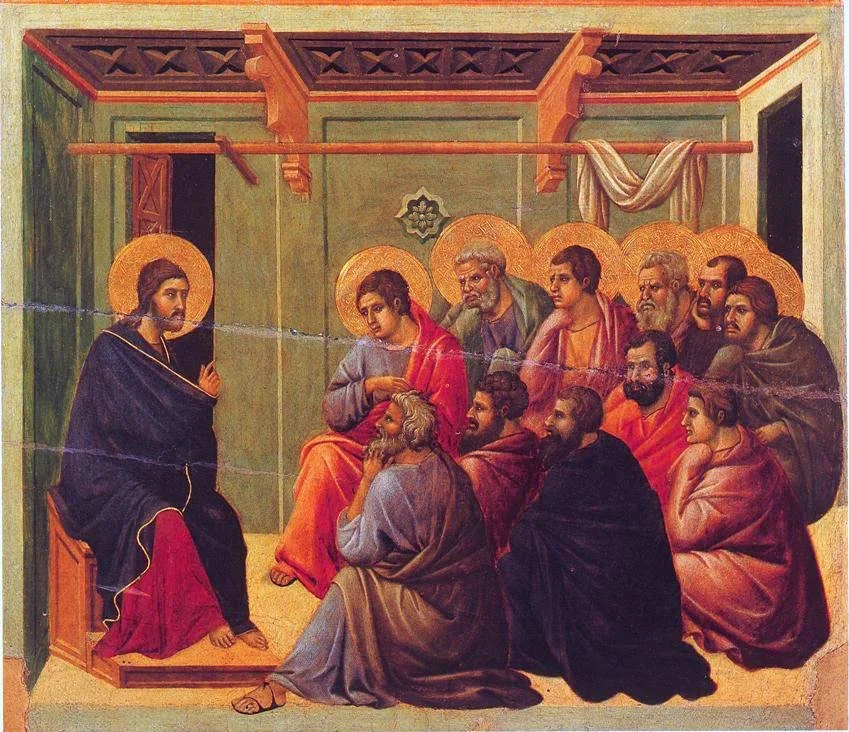
Cantate—The Spirit’s Sermon: Sin, Righteousness, and Judgment
The Holy Spirit is not an energy. The Holy Spirit is a person. He is a divine person.
We know that he is a person and not some force floating around in the ether because Jesus tells us today that when he sent the Holy Spirit, he sent a preacher. He sent a preacher to preach a sermon. Energy doesn't preach a sermon.
A person preaches a sermon. The Holy Spirit is a preacher.

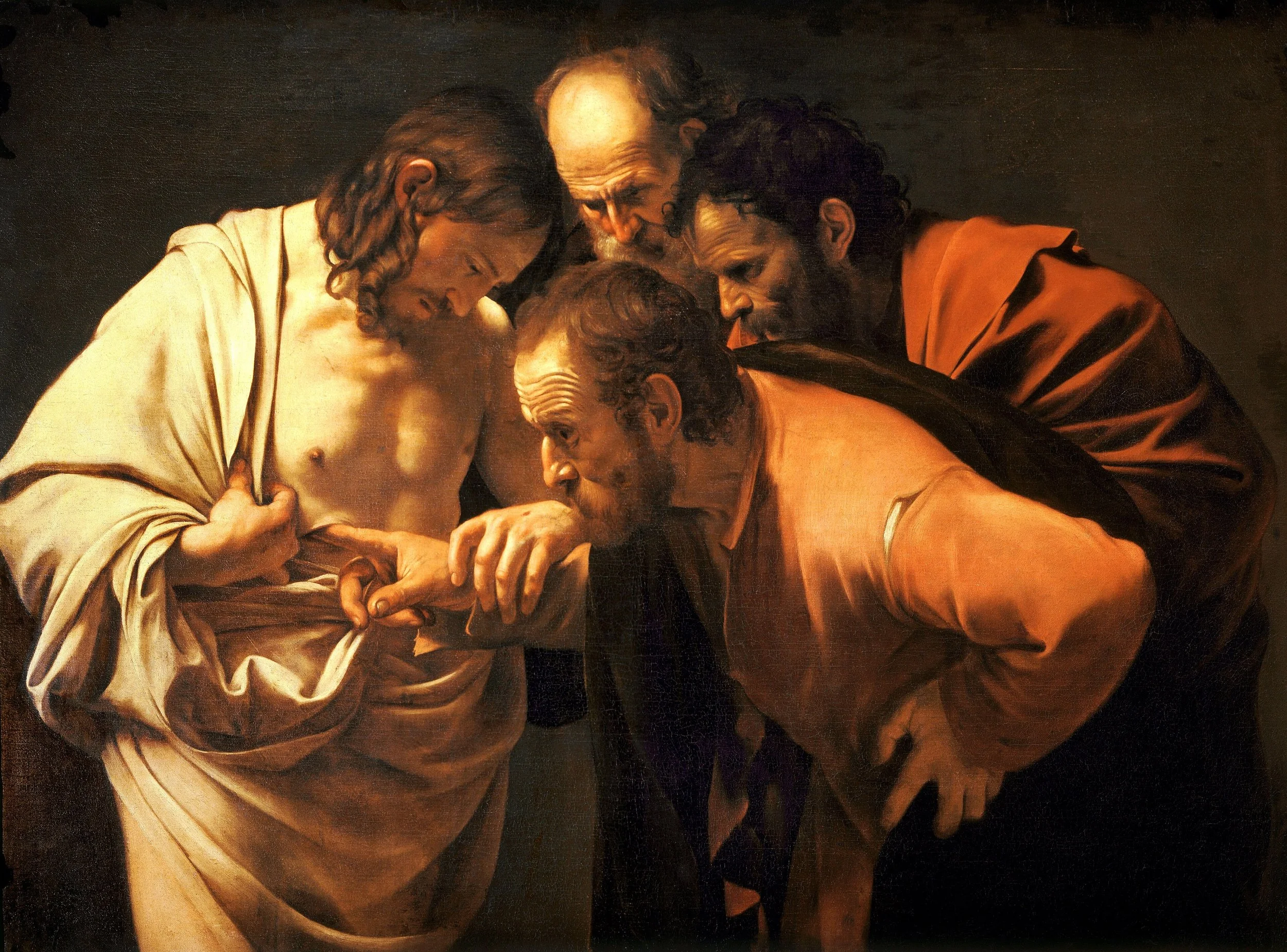
Quasimodo Geniti—Peace in the Holy Wounds of Jesus
The dear tokens of His passion
Still His dazzling body bears,
Cause of endless exultation
To his ransomed worshipers;
With what rapture,
With what rapture,
With what rapture
Gaze we on those glorious scars.

Easter Sunday—The Fact That Changes Everything
If Christ has not been raised, our preaching is pointless and your faith is pointless, too. If Jesus didn’t really rise from the dead, then you may as well order your life around how much money, success, and pleasure you can squeeze out of this life. But, Alleluia! Christ has risen!
Good Friday—Christ’s Burial and the Death of Death
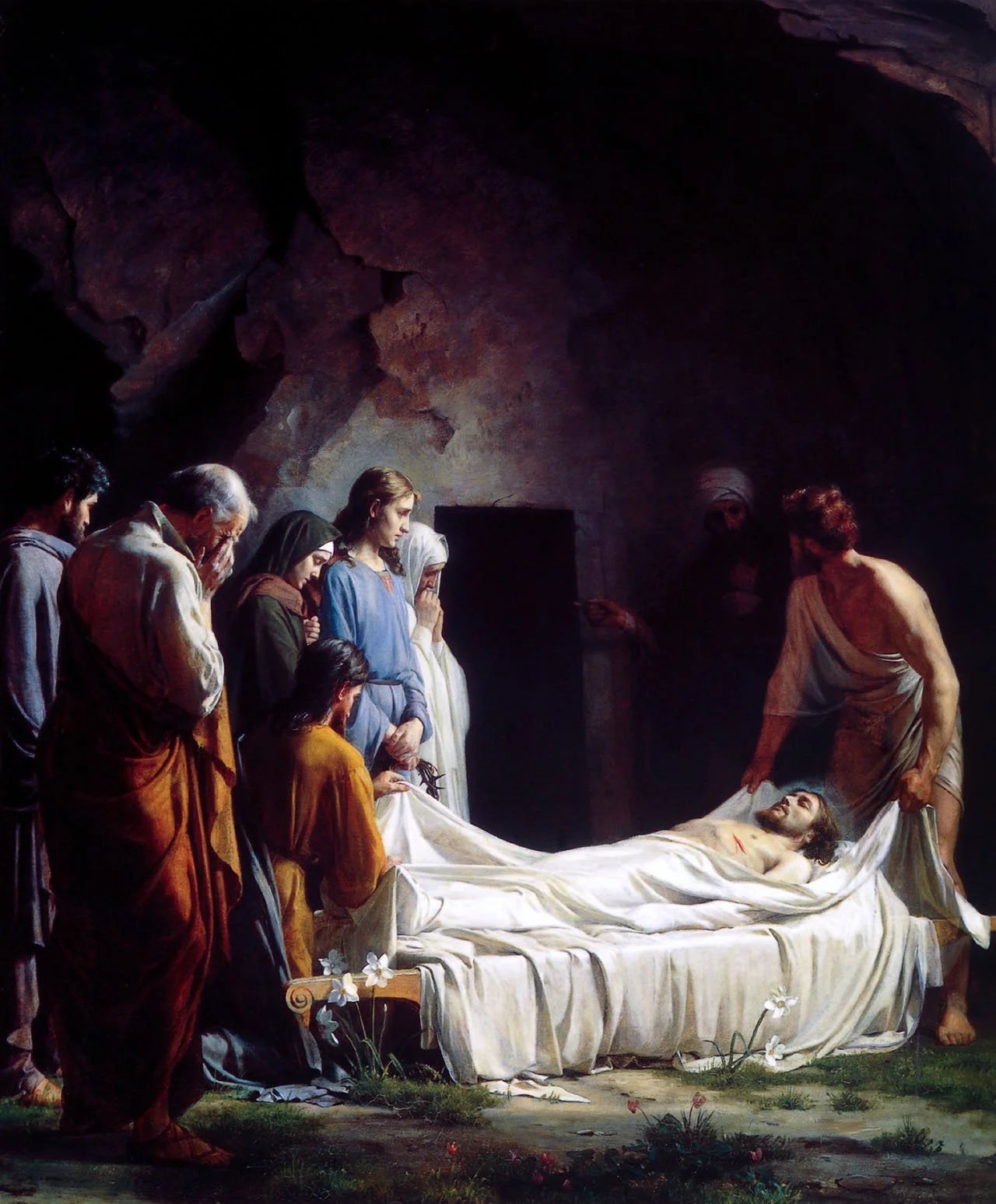
Your Lord has conquered death for you by dying. He has opened the gates of heaven to you and shut up the gates of hell forever for you by dying, by having His own funeral pall laid on Him. Your agony will last but a little while compared to eternity—three days in the tomb—and then comes joy and rest forever.
Maundy Thursday—The Condescension of Christ: God Stoops Down to Serve
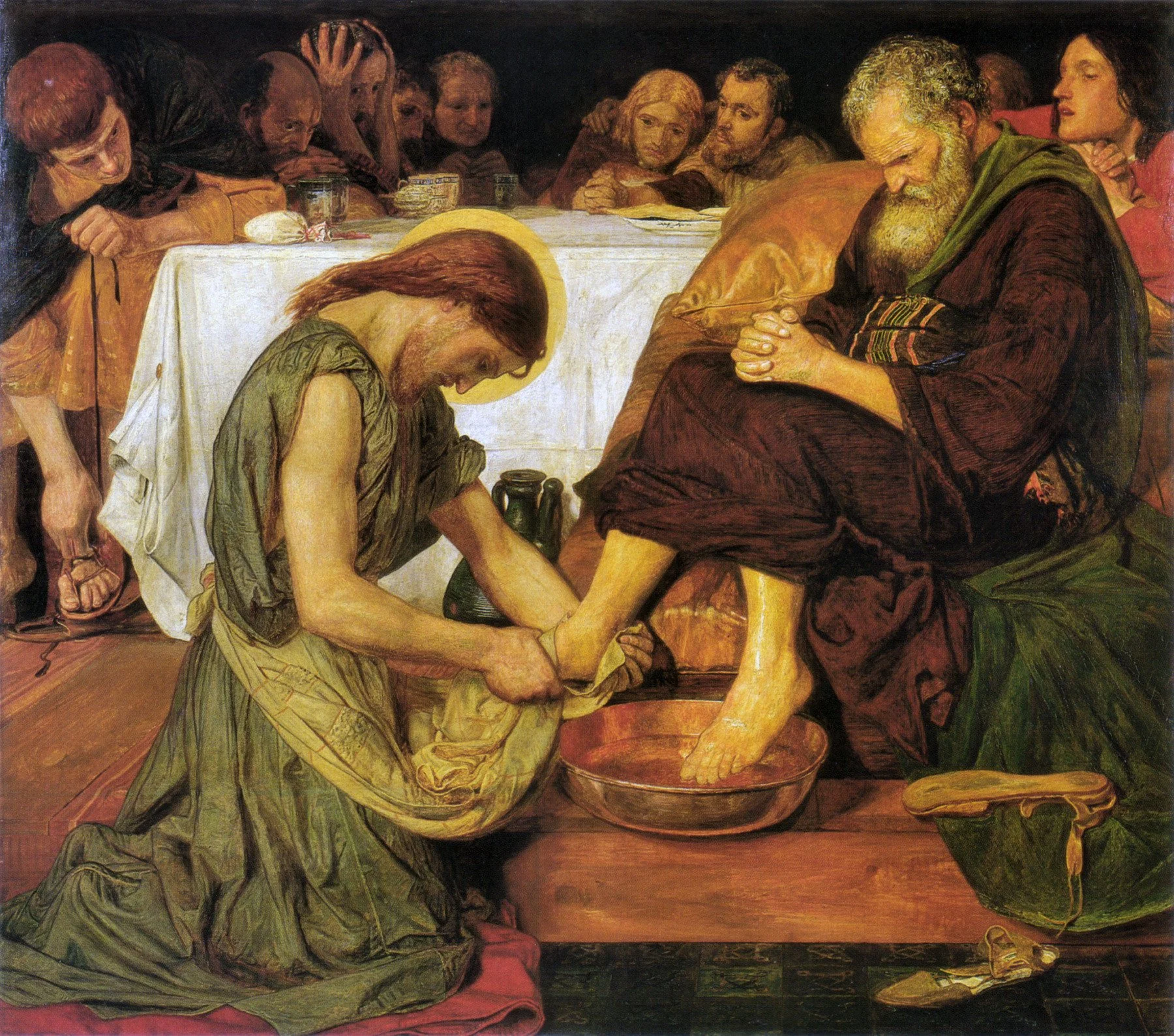
Knowing all that He would suffer, He stopped and fed His people.
He stoops in love to feed them Himself, to wash the filth of their feet away as a slave, to nourish and cherish them in every spiritual and physical need, to love them to the very end.
The condescension of your God.
Palmarum—Suffering Now, Glory to Come
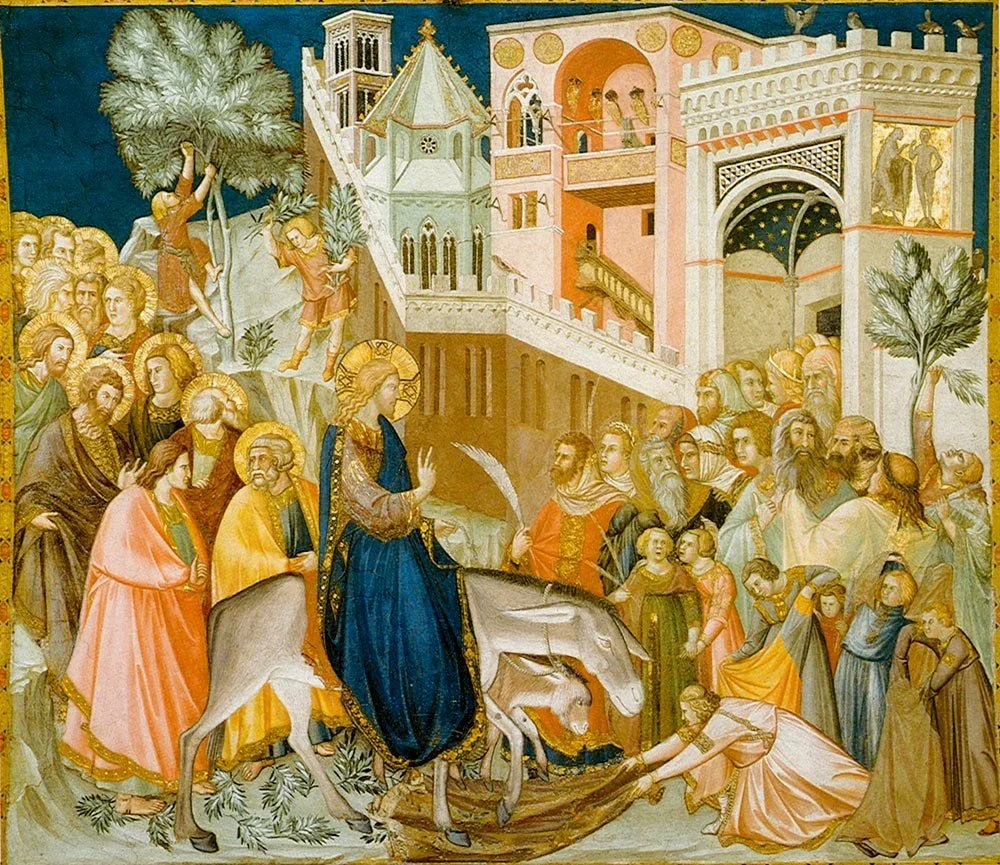
Take up your cross, whatever that cross may be, knowing that you who suffer as a Christian with the Lord Jesus, who suffers with you in it—know that you who suffer with Jesus here and now will certainly be glorified with Him hereafter, without a doubt. He who has washed you in His blood and given you a death like His in Holy Baptism will certainly give you a resurrection, a glory, and an everlasting kingdom with Him. He will do it.
Lenten Midweek Gatherings—Wednesday of Judica
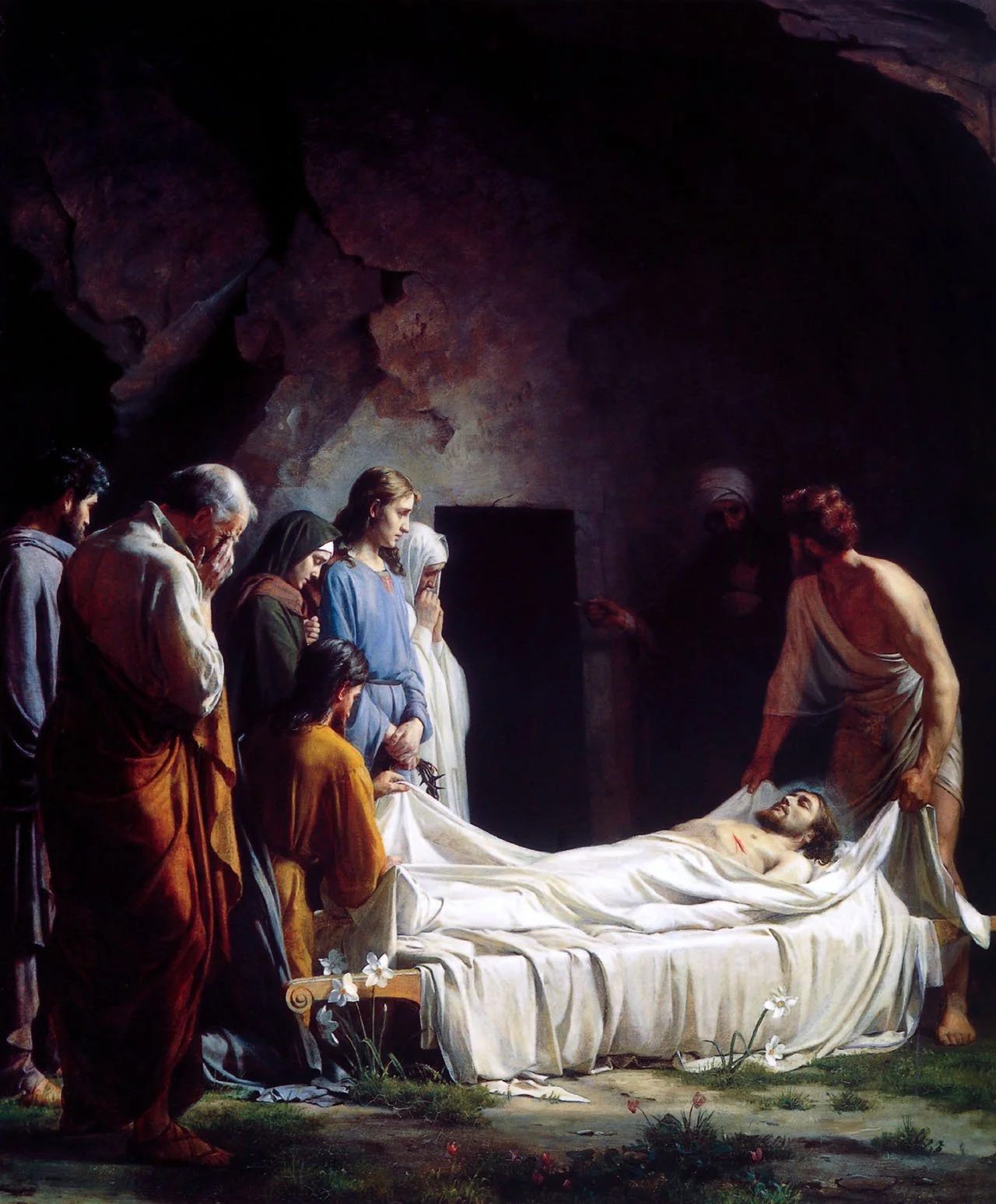
Rest well, you saintly bones,
Which I will no longer bewail;
Rest well and bring also me unto rest.
The grave—which is appointed to you
And from now on will enclose no distress—
Opens heaven unto me and closes hell.
Family Catechesis Resources for Judica
Know, but do not hate, the manners of a friend. Nor did the apostle thoughtlessly teach so often about this office what the philosophers call leniency (epieikeia). For this virtue is necessary for keeping public harmony ‹in the Church and the civil government›. Harmony in the Church cannot last unless pastors and churches mutually overlook and pardon many things.
Judica—He Who Is of God Hears God’s Words
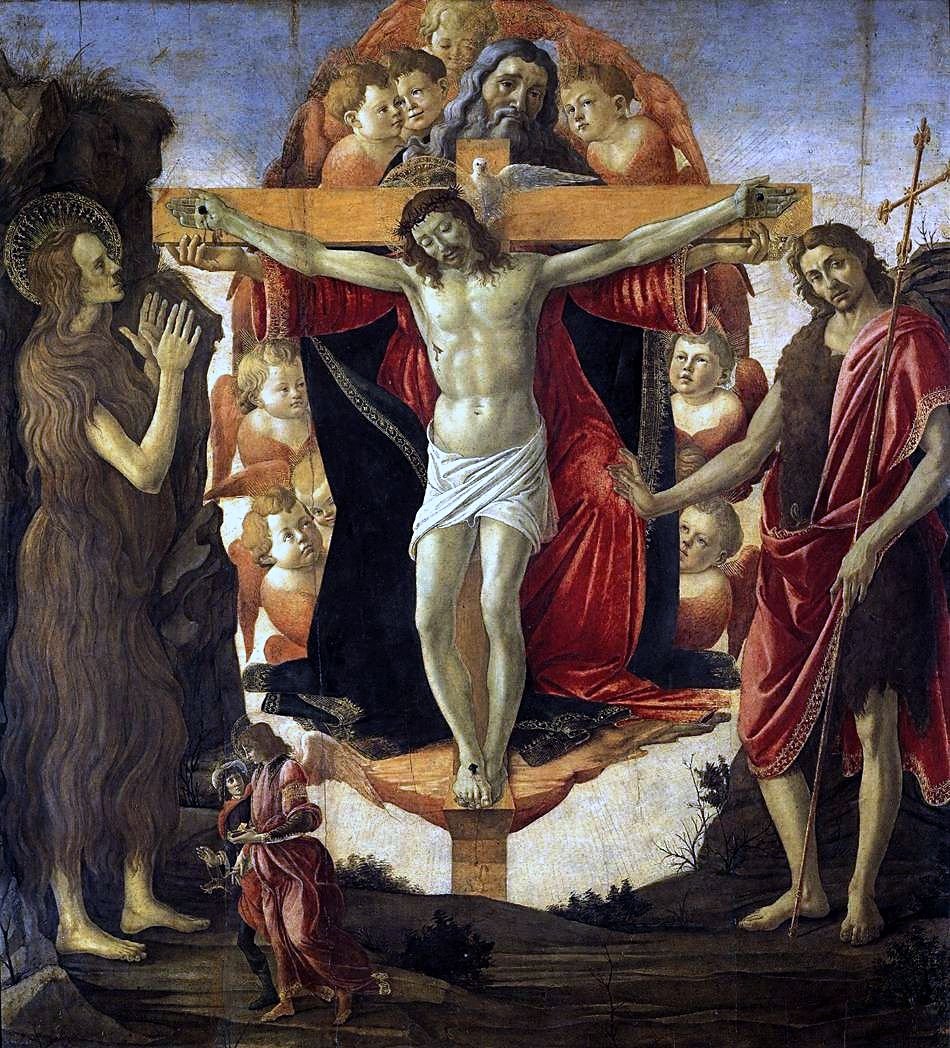
So the warning, if today you hear the voice of God in the Scriptures, do not harden your hearts. Do not seek to stone the Lord Jesus with your words and works when the Word of God comes to you in a word that is difficult for your sinful flesh to bear. Every word of Scripture is the Word of the living God and must be accepted with the obedience of simple faith. Do not harden your heart when you hear it.
Lenten Midweek Gatherings—Wednesday of Laetare
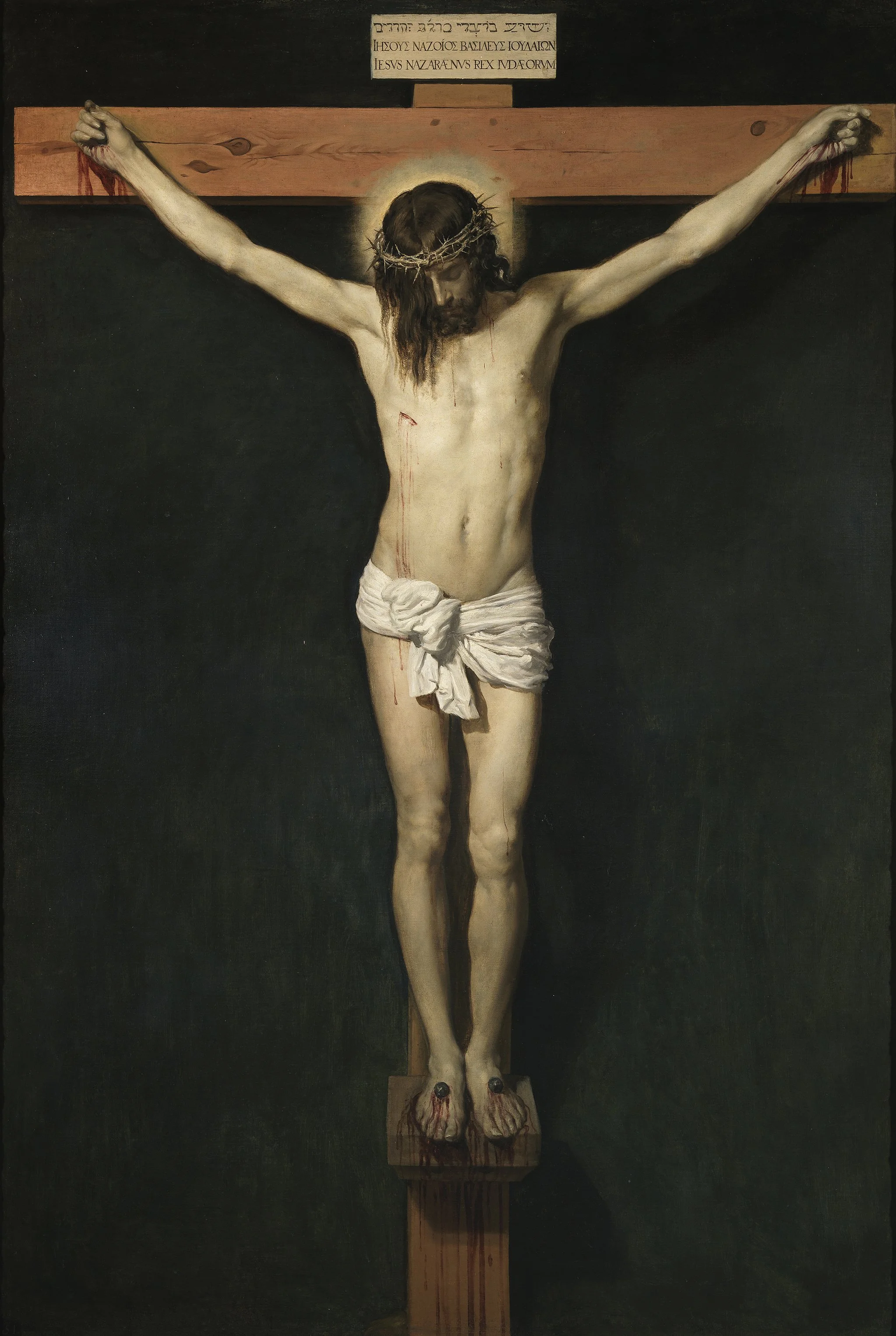
My precious Savior, let [me] ask you:
Now that you [were] nailed to the cross
And [have] said yourself, “It is accomplished,”
Have I been made free from death?
Can I, through your pain and death,
Inherit the kingdom of heaven?
Is redemption of all the world [to be found] here?
You can, in agonies [of pain and death], it is true, say nothing;
But you bow your head
And declare silently, “Yes.”
Family Catechesis Resources for Laetare
“You are the light of the world. A city that is set on a hill cannot be hidden. Nor do they light a lamp and put it under a basket, but on a lampstand, and it gives light to all who are in the house. Let your light so shine before men, that they may see your good works and glorify your Father in heaven.” Matthew 5:14-16
Laetare—The True Kingdom of Christ: Not of This World
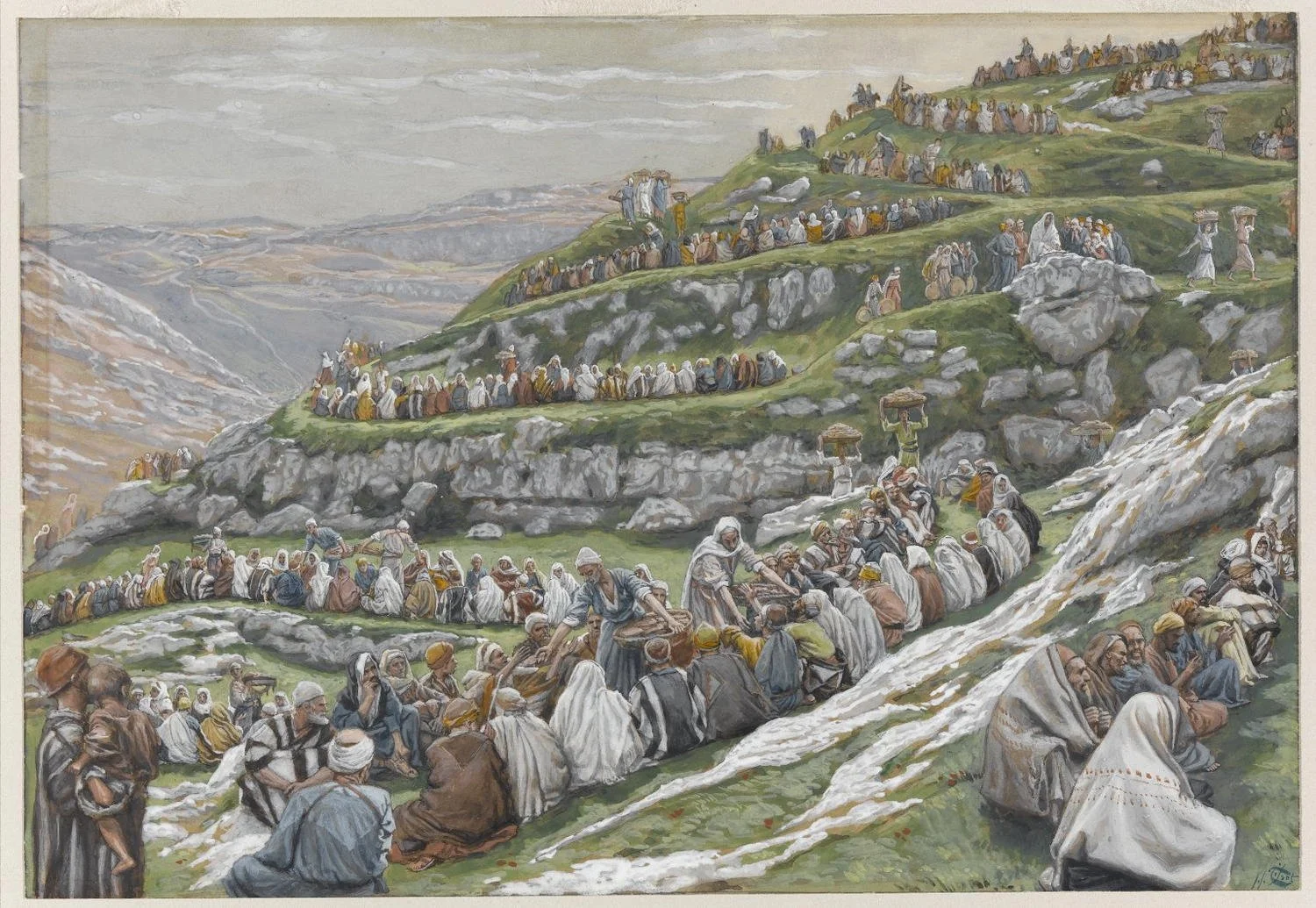
The kingdom of God is Christ’s rule over the Church through the Means of Grace. All who, through the Word, Baptism, the Holy Supper, and Absolution, are given faith in Jesus as their God, as their Messiah, as their Savior from sin, death, and the power of the devil—and strengthened in that faith—constitute the kingdom of God where Christ rules. Do not labor for the food which perishes, but for the food which endures to everlasting life. This is the work of God, that you believe in Him whom He sent. Do not strive for earthly kingdoms and earthly goals.
Lenten Midweek Gatherings—Wednesday of Oculi
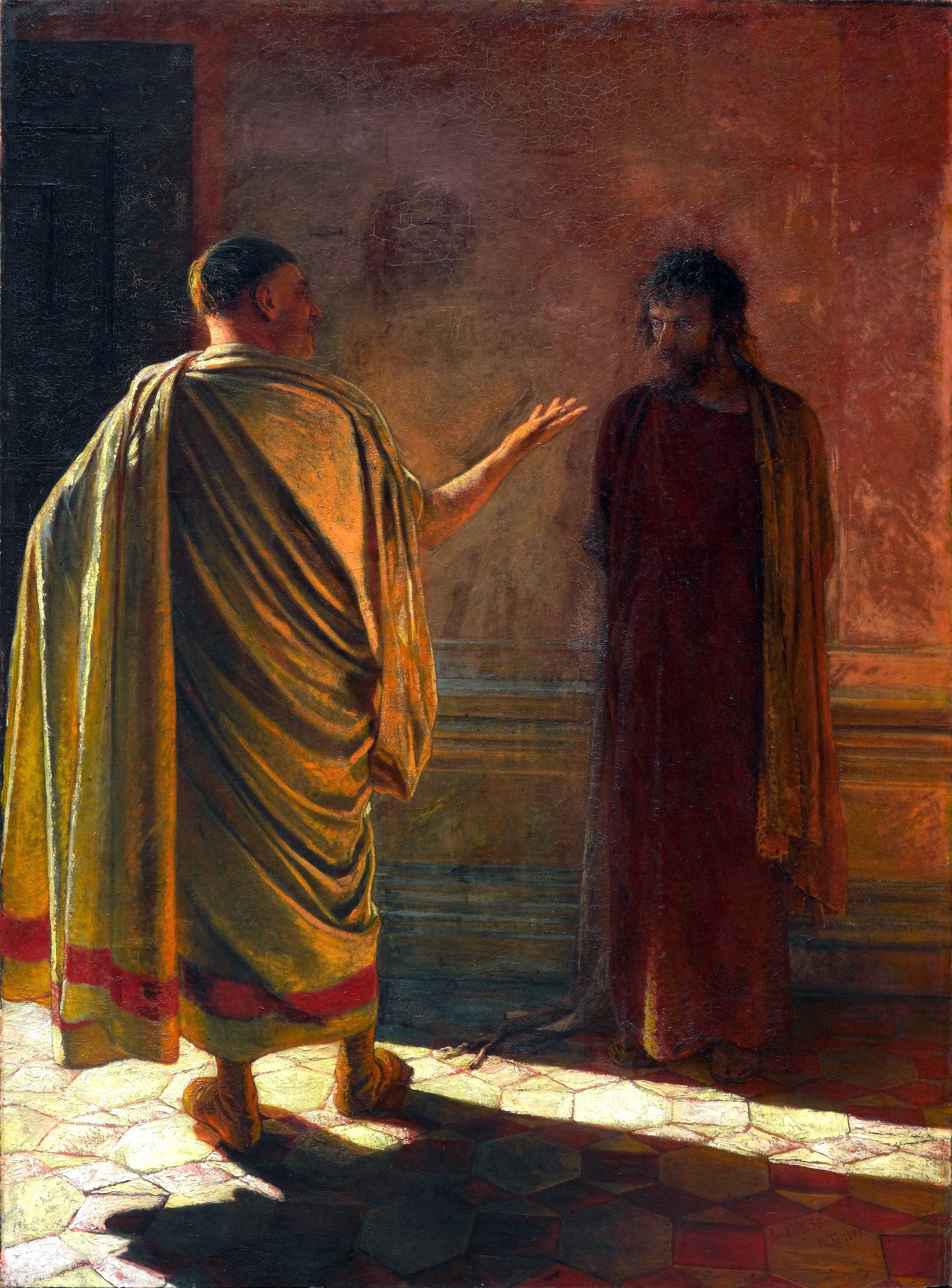
Pilate then went back into the hall of judgment and summoned Jesus and declared to him: “Are you the King of the Jews?” Jesus answered: “Are you speaking for yourself [when you declare] this, or have others said it to you of me?” Pilate answered: “Am I a Jew? Your people and the chief priests have handed you over to me; what have you done?” Jesus answered: “My kingdom is not from this world; were my kingdom from this world, my attendants would fight on that account, [so] that I would not be handed over to the Jews; but now, my kingdom is not from here.”
Family Catechesis Resources for Oculi
My little children, these things I write to you, so that you may not sin. And if anyone sins, we have an Advocate with the Father, Jesus Christ the righteous. And He Himself is the propitiation for our sins, and not for ours only but also for the whole world. 1 John 2:1-2
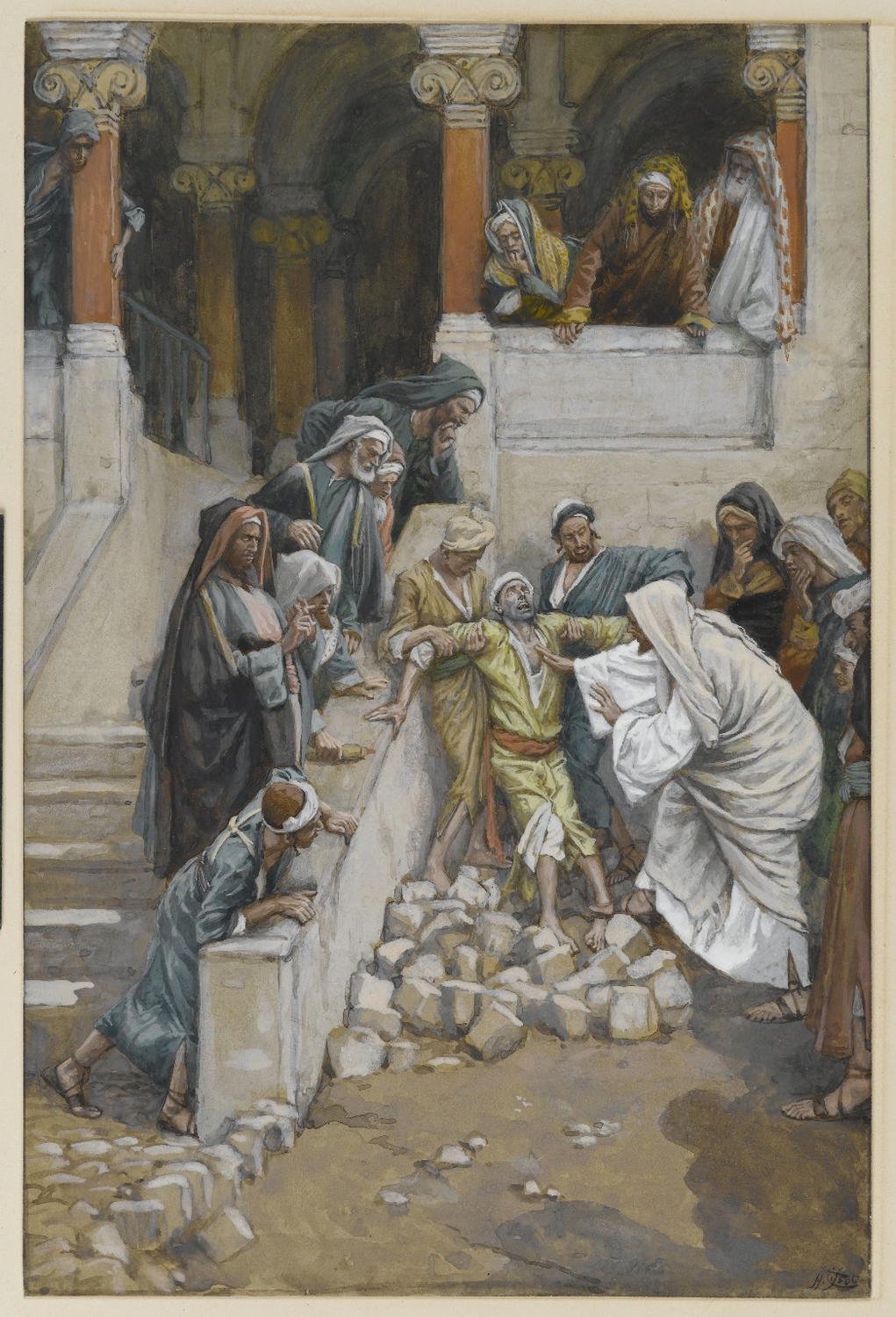
Oculi—The Sinful Tongue and the Stronger Savior
“But no man can tame the tongue. It is an unruly evil full of deadly poison. With it we bless our God and Father and with it we curse men who have been made in the likeness of God” (James 3:8–9).
Lenten Midweek Gatherings—Wednesday of Reminiscere
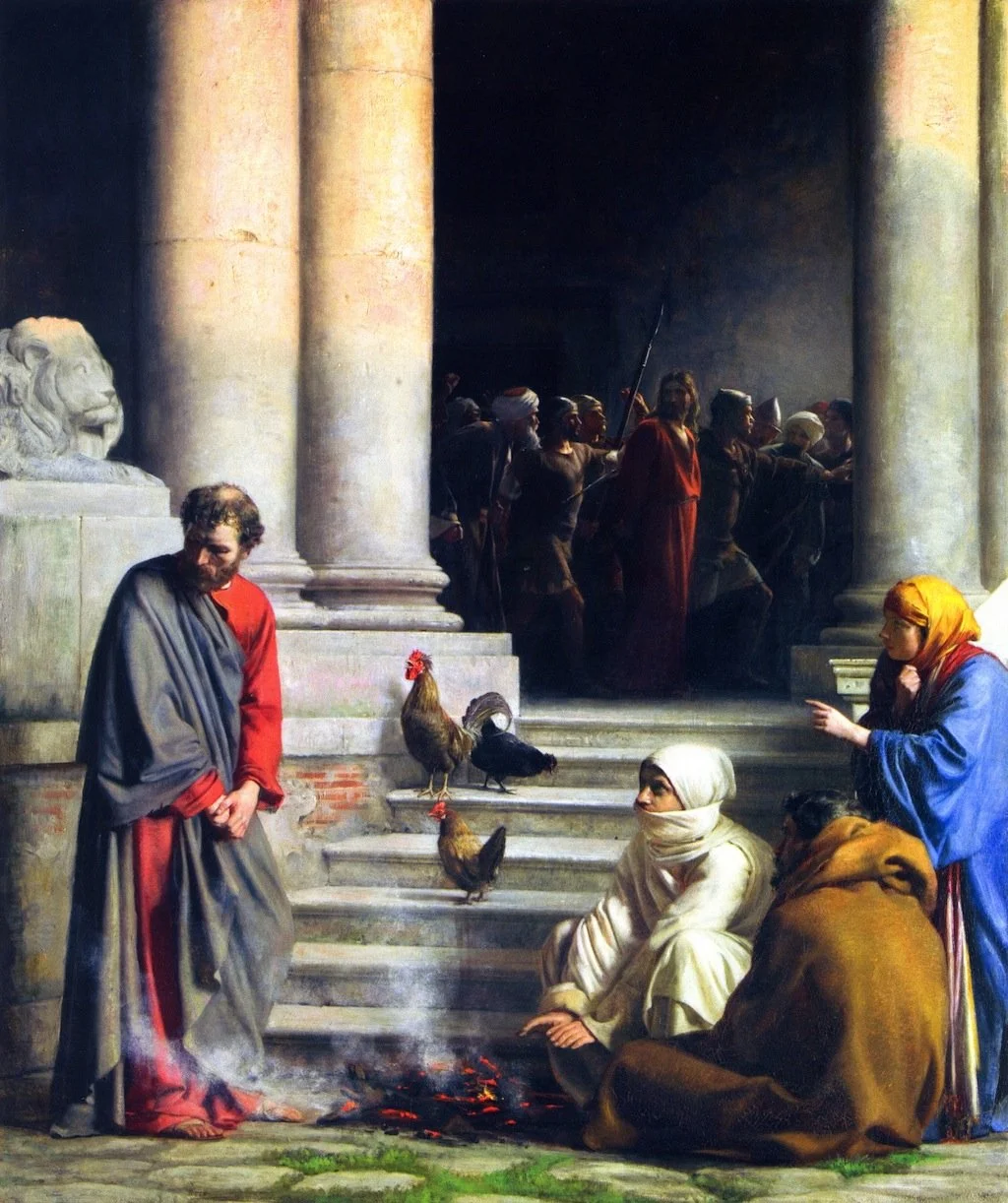
Then the detachment of troops and the captain and the officers of the Jews arrested Jesus and bound Him. And they led Him away to Annas first, for he was the father-in-law of Caiaphas who was high priest that year. Now it was Caiaphas who advised the Jews that it was expedient that one man should die for the people. And Simon Peter followed Jesus, and so did another disciple. Now that disciple was known to the high priest, and went with Jesus into the courtyard of the high priest.

For more about who we are and what we believe, visit the St. Thomas homepage.